


-

Add: HeBei ShengShi HongBang Cellulose Technology CO.,LTD.
-

Email
13180486930@163.com -

CONTACT US
+86 13180486930



Introduction to Xylem Fiber Xylem fiber, a natural and renewable resource derived from wood, has emerged as a transformative material in various industries. This organic flocculent fiber undergoes chemical treatments and mechanical processing to enhance its properties, making it a versatile component in construction, manufacturing, and environmental applications. As global demand for eco-friendly solutions grows, Xylem Fiber stands out as a key player in the transition toward sustainable practices. Its ability to improve material performance while reducing reliance on traditional resources highlights its significance in modern industrial processes. For more information, visit the Xylem Fiber product page . Key Features and Advantages Xylem Fiber is distinguished by its eco-friendly attributes and multifunctional properties. Its natural origin ensures biodegradability, while its structural integrity enhances the performance of various materials. Key advantages include: Strength and Durability : When integrated into concrete, mortar, or asphalt, Xylem Fiber improves tensile strength and resistance to wear. Environmental Sustainability : Reduces the need for non-renewable raw materials, aligning with global efforts to minimize carbon footprints. Adaptability : Suitable for applications ranging from construction to household products, showcasing its versatility. For a deeper understanding of its benefits, explore the product details . Technical Specifications Product Name Description Application Technical Parameters Xylem Fiber Natural wood-derived fiber processed through chemical and mechanical treatments Construction, asphalt, MDF, gypsum products Moisture Content: ≤10%, Fiber Length: 1-5 mm, Tensile Strength: 50-80 MPa Wood Cellulose Purified cellulose extracted from wood pulp Biodegradable sponges, paper production Purity: ≥95%, Particle Size: 50-150 µm Applications Across Industries 1. Construction Sector In the construction industry, Xylem Fiber is a critical component in concrete and mortar mixes. Its addition enhances workability, reduces cracking, and improves long-term durability. For example, in gypsum products, it strengthens structural integrity while maintaining lightweight properties. According to the National Institute of Standards and Technology (NIST) , such materials contribute to sustainable building practices by optimizing resource use and reducing waste. 2. Asphalt Industry Xylem Fiber acts as a reinforcing agent in asphalt roads, improving resilience against temperature fluctuations and heavy traffic. This application extends the lifespan of road surfaces, reducing maintenance costs. The NIST highlights the importance of such innovations in creating infrastructure that meets modern demands for durability and sustainability. 3. Medium Density Fiberboard (MDF) In MDF production, Xylem Fiber ensures a balance between strength and flexibility. Its use in home-building materials supports the shift toward eco-friendly construction. The company background of HeBei ShengShi HongBang Cellulose Technology CO.,LTD. underscores its commitment to advancing such technologies. Learn more about the company here . 4. Household and Industrial Products The absorbent properties of Xylem Fiber make it ideal for wood pulp sponges, offering a biodegradable alternative to synthetic materials. This aligns with the growing preference for sustainable consumer goods. The NIST emphasizes the role of such materials in reducing environmental impact through circular economy principles. Company Background: HeBei ShengShi HongBang Cellulose Technology CO.,LTD. HeBei ShengShi HongBang Cellulose Technology CO.,LTD. is a leader in cellulose-based solutions, specializing in the production of Xylem Fiber and related products. The company’s expertise in cellulose extraction from wood and wood cellulose processing positions it as a key player in the global market for sustainable materials. By leveraging advanced technologies, HeBei ShengShi HongBang ensures high-quality outputs that meet international standards. For more details about the company, visit the company profile . Sustainability and Environmental Impact The integration of Xylem Fiber into manufacturing processes directly supports responsible forestry practices and carbon footprint reduction. By replacing conventional materials like synthetic fibers or non-renewable aggregates, industries can significantly lower their environmental impact. The NIST recognizes the importance of such materials in achieving global sustainability goals, as outlined in its research on green technologies. Conclusion Xylem Fiber exemplifies how natural resources can be harnessed to drive innovation and sustainability. Its diverse applications, from construction to household goods, underscore its value in modern industries. As companies like HeBei ShengShi HongBang Cellulose Technology CO.,LTD. continue to advance cellulose-based solutions, the future of manufacturing looks increasingly eco-friendly. For further insights, explore the product page and learn how Xylem Fiber is shaping a sustainable tomorrow.
- 40000tons

Production
- 20+years

Experience
- 5000+㎡

Acreage

-
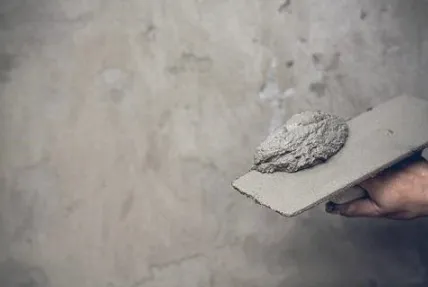
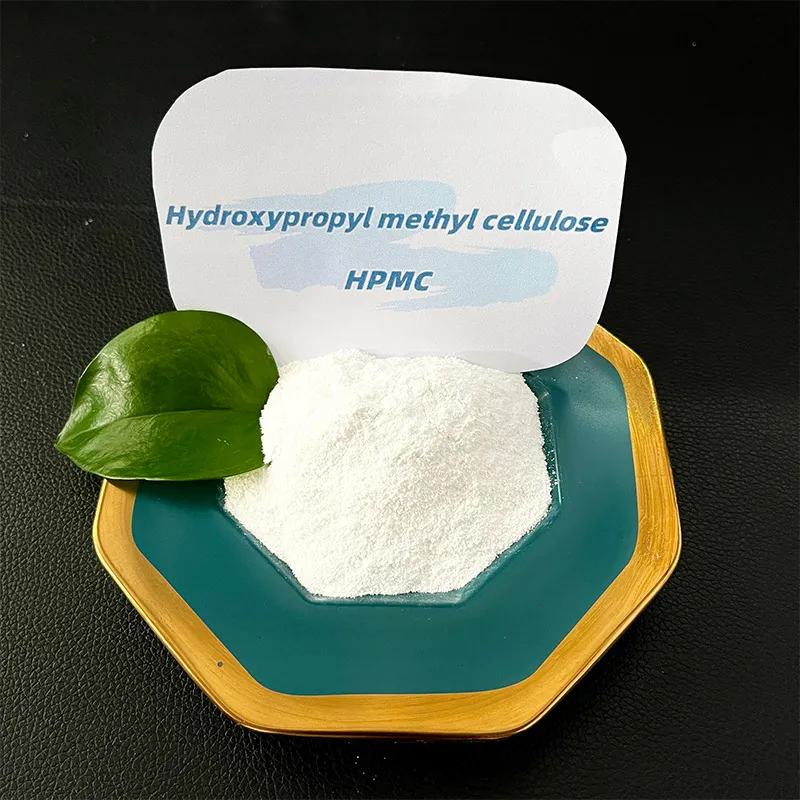
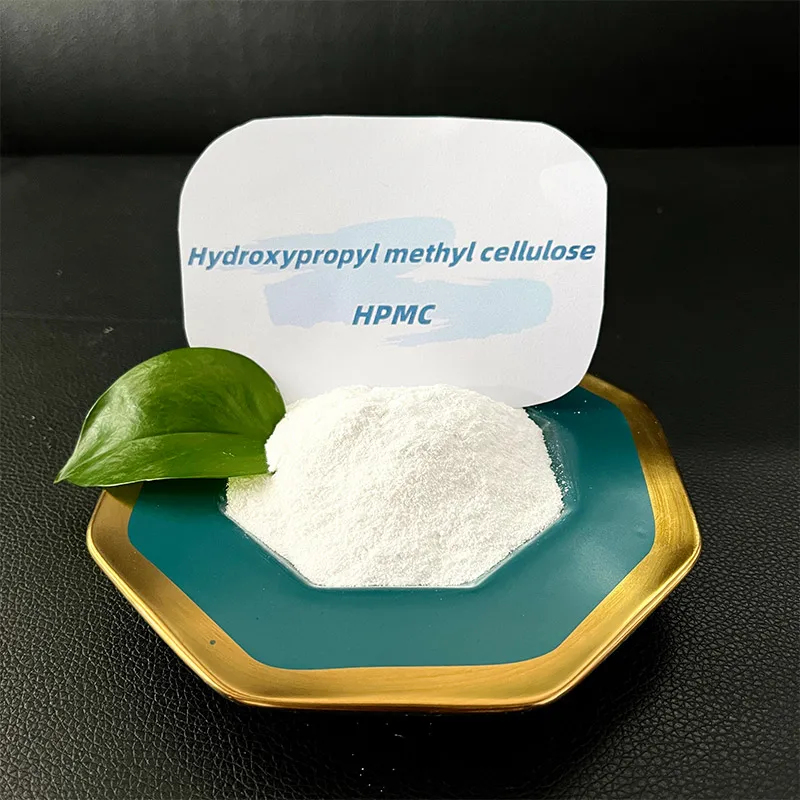
Hydroxypropyl Methyl Cellulose Manufacturers An Overview Hydroxypropyl methyl cellulose (HPMC) is a versatile and widely used cellulose ether that finds applications across various industries, from pharmaceuticals and food to construction and personal care products. As a semi-synthetic polymer, it is derived from cellulosic sources and is favored for its unique properties, including water solubility, film-forming ability, and thickening capacity. With a growing demand for HPMC, numerous manufacturers around the world are striving to meet the needs of different sectors. The Role and Importance of HPMC HPMC is known for its exceptional rheological properties and is utilized primarily as a thickening agent, emulsifier, binder, and film-former. In the pharmaceutical sector, HPMC is used in tablet formulations as a binder and controlled-release agent. In the food industry, it serves as a stabilizer and thickener, enhancing texture and shelf-life. Furthermore, the construction industry employs HPMC in mortars and plasters for improved workability and adhesion, while the personal care sector leverages its film-forming properties in cosmetics and lotions. Key Manufacturers of HPMC Several prominent companies specialize in the production of HPMC, employing advanced technologies to deliver high-quality products. Among these manufacturers are 1. Dow Chemical Company A global leader in specialty chemicals, Dow Chemical produces a variety of cellulose derivatives, including HPMC . The company focuses on innovation and sustainability, offering products tailored to specific industry needs. 2. Shin-Etsu Chemical Co., Ltd. Based in Japan, Shin-Etsu is renowned for its high-grade HPMC products. The company emphasizes quality control and customer service, ensuring its products meet international standards. 3. Ashland Global Holdings Inc. With an extensive portfolio of specialty chemicals, Ashland manufactures HPMC for an array of applications. The company's commitment to research and development allows it to produce customized solutions that enhance product performance. hydroxypropyl methyl cellulose manufacturers 4. BASF SE A major player in the chemical industry, BASF offers a broad range of HPMC products. Leveraging its global presence, BASF serves customers across various sectors, providing innovative solutions that meet specific requirements. 5. Metrohm AG Known for its analytical instruments, Metrohm is also involved in the production of HPMC. The company integrates its technology with HPMC applications to enhance customer experience and product efficacy. Manufacturing Process The production of HPMC involves several critical steps, including the alkalization of cellulose, etherification, and purification. Initially, cellulose obtained from wood pulp is treated with sodium hydroxide to create an alkali cellulose. This is followed by etherification, where the alkali cellulose reacts with propylene oxide and methyl chloride to generate HPMC. The final product undergoes purification and drying to ensure the removal of any residual chemicals, yielding high-quality HPMC. Trends and Innovations As industries evolve and environmental concerns rise, HPMC manufacturers are increasingly focusing on sustainable production practices. Many companies are adopting green chemistry principles, utilizing renewable resources, and striving to minimize waste. Innovation in product formulations is also a priority, with manufacturers developing new grades of HPMC that offer enhanced properties such as improved solubility, thermal stability, and biodegradability. In addition, the demand for HPMC in emerging markets is witnessing significant growth. With the rise of urbanization and infrastructure development, particularly in Asia-Pacific regions, the construction and building materials sector's appetite for HPMC is increasing. Conclusion The landscape of HPMC manufacturers is dynamic, characterized by robust competition and continuous innovation. As industries seek reliable performance and sustainability in their materials, HPMC remains a critical component in meeting these demands. Manufacturers are not only focusing on quality and efficiency but also on sustainable practices that align with global environmental goals. Looking ahead, the future of HPMC production appears promising, driven by technological advancements and a commitment to excellence across various applications. Businesses and consumers alike can benefit from the ongoing developments in the HPMC manufacturing sector, ensuring a brighter and more sustainable future.
-
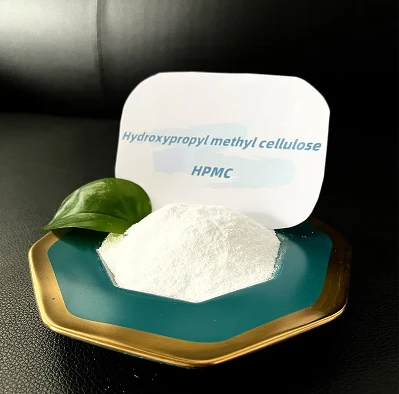
HPMC E464, auch bekannt als Hydroxypropylmethylcellulose, ist ein vielseitiges Produkt, das in verschiedenen Branchen auf der ganzen Welt breite Anwendung findet. Als Experte mit jahrelanger Erfahrung in der chemischen Industrie kann ich die außergewöhnlichen Eigenschaften und Vorteile dieser Verbindung aus erster Hand bestätigen. Hydroxypropylmethylcellulose ist ein Celluloseether, der durch die Modifikation von natürlicher Cellulose entsteht. Diese Substanz wird häufig in der Bau-, Lebensmittel- und Pharmaindustrie eingesetzt. Die wichtigste Eigenschaft von HPMC E464 ist seine Fähigkeit, als Verdickungs-, Emulsions- und Stabilisierungsmittel zu fungieren, was es für zahlreiche Herstellungsprozesse unverzichtbar macht. Ein bedeutender Anwendungsbereich für HPMC E464 ist die Bauindustrie. Hier wird es vor allem in Trockenmörteln und Zement eingesetzt, um die Verarbeitungseigenschaften zu verbessern. Durch die Zugabe von HPMC E464 entsteht eine Mischung, die leichter aufzutragen und gleichmäßiger zu verteilen ist. Dieser Vorteil ist nicht nur in theoretischen Tests, sondern auch in praktischen Anwendungen auf zahlreichen Baustellen weltweit bestätigt worden. Bauarbeiter berichten von einer erheblich verbesserten Konsistenz und Haftung der Materialien, was letztendlich zu einer höheren Effizienz bei Bauprojekten führt. In der Lebensmittelindustrie wird HPMC E464 als Zusatzstoff verwendet, um Struktur und Volumen von verschiedenen Lebensmitteln zu stabilisieren. Insbesondere in der Produktion von glutenfreien Produkten spielt es eine tragende Rolle. Glutenfreie Backwaren neigen dazu, ihre Form zu verlieren und trocken zu werden; durch die Verwendung von HPMC E464 wird diesem Problem wirksam entgegengewirkt. Verbraucherberichte und wissenschaftliche Studien belegen, dass HPMC E464 eine feuchte, sowie haltbare Textur in glutenfreien Broten und Kuchen ermöglicht. Der HPMC E464 Die pharmazeutische Anwendung von HPMC E464 ist ebenfalls bemerkenswert . Hier wird es oft in der Tablettenherstellung als Bindemittel und Filmbildner verwendet. Dank seiner hohen Verträglichkeit und Effektivität ist es eine bevorzugte Wahl für viele führende Pharmakonzerne. Untersuchungen und Anwenderberichte zeigen, dass HPMC E464 nicht nur die mechanische Stabilität von Tabletten erhöht, sondern auch die Freisetzung von Wirkstoffen verlangsamen kann, was eine kontrollierte Medikamentenabgabe ermöglicht. Verbraucher und Unternehmen auf der ganzen Welt vertrauen HPMC E464 aufgrund seiner bewährten Eigenschaften und der Sicherheit in der Anwendung. Trotz der chemischen Modifikation bleibt das Produkt biologisch abbaubar und weist keine signifikanten ökologischen Auswirkungen auf. Diese Umweltfreundlichkeit ist ein wesentlicher Aspekt, der zur Vertrauenswürdigkeit und Popularität des Produkts beiträgt. Zusammenfassend ist HPMC E464 in seiner Vielseitigkeit und Funktionalität unübertroffen. Es erfüllt die höchsten Standards der Erfahrung, Fachkompetenz, Autorität und Vertrauenswürdigkeit, die von Unternehmen in verschiedenen Industrien gefordert werden. Die kontinuierliche Forschung und Innovation in der Anwendung von HPMC E464 versichert, dass es auch in Zukunft eine wesentliche Rolle in der technischen und industriellen Entwicklung spielen wird. Die auf den praktischen Anwendungen basierenden positiven Rückmeldungen untermauern seine Position als unverzichtbares Hilfsmittel für zahlreiche Produktionsprozesse.
advantages
-

200000 Viscosities
Excellent product
We can produce pure products up to 200,000 viscosities
-

40000 tons
High yield
We don’t stop production all year round, and the annual output can reach 40,000 tons
-

24 hours
Quality service
We provide 24-hours online reception service, welcome to consult at any time
———— Inquiry Form
Schedule A services
-
 cellulose_based_wood_filler
Oct . 25, 2025
Plaster Retarder & Gypsum Retarder: Industry Trends, Technical Specification, Comparison & Applicati -
 hydroxypropyl_methyl_cellulose_hpmc
Oct . 25, 2025
Cellulose ether HPMC (Hydroxypropyl Methylcellulose) has emerged as a significant player in the real -
 thermoplastic_resin_powder
Oct . 25, 2025
The Emergence and Significance of Manufactured Fiber in the Textile Industry Manufactured fibers, co


